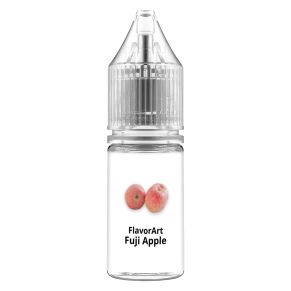
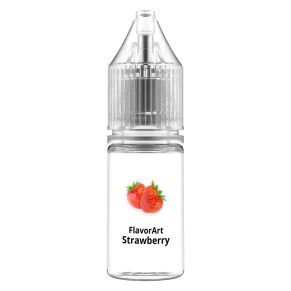
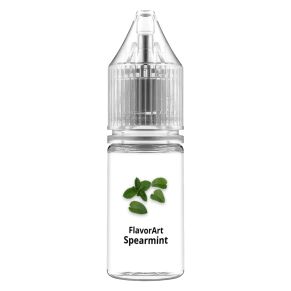
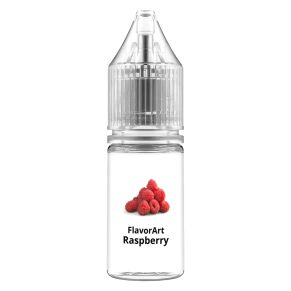
FlavourArt Flavour Concentrates
FlavourArt is an Italian flavour house known for treating flavour like a craft: precise profiles, clean delivery, and a broad catalogue that covers everything from fruit and dessert notes to drinks, confectionery, bakery-style flavours and more. If you like working with recipes where the flavour needs to be clear, repeatable, and easy to fine-tune, this range is built for that kind of use.
These are food-grade flavour concentrates, meaning they’re designed to be used in small amounts inside a recipe rather than as a ready-to-use flavour on their own. That concentrate format is useful when you want flavour impact without having to change the structure of your recipe (for example by adding extra liquid or sweetness). It also gives you a consistent workflow: build the base first, then dial in flavour in controlled steps until the profile lands where you want it.
The “Flavour Tailors” approach
A lot of flavour ranges lean heavily into one style (very sweet candy profiles, or very heavy dessert notes). FlavourArt tends to sit in a more technical middle ground: profiles that aim to be recognisable and usable, whether you’re making a simple single-note recipe or building a layered blend.
That makes the range practical in two ways:
In other words: it works for “keep it simple” recipes and for more structured flavour building.
Where FlavourArt fits best in the kitchen
Instead of splitting this into the usual “drinks vs desserts” template, here’s a more useful way to think about FlavourArt: what role the flavour needs to play.
1) Main profile flavours
These are the flavours you build the recipe around - fruit, beverage-style notes, desserts, bakery profiles, and classic sweet directions that read clearly in the finished result.
2) Texture-friendly flavouring
Because concentrates add flavour without adding much volume, they’re often chosen for recipes where texture matters - creams, fillings, glazes, whipped bases, frozen desserts, and baked goods.
3) Layering and balancing
FlavourArt is also popular for blending because many flavours keep their identity when paired. That helps when you want to build “depth” without turning the recipe muddy - like fruit + cream, fruit + candy, or dessert + caramel-style notes.
Dosing mindset: small steps, consistent results
Concentrates don’t reward guesswork. They reward repeatable method.
A simple workflow that stays consistent across most recipes:
-
Mix your base first (so you’re only adjusting one variable: flavour)
-
Add concentrate in small measured steps
-
Taste in the final context (especially temperature: chilled vs room temperature can change the read)
-
Log the final dosage so you can reproduce it exactly next time
This approach is especially useful if you make the same recipe more than once and want the flavour to land the same way each time.
Quality systems and production standards
If you care about how a flavour house runs its production, FlavourArt is also known for operating with formal quality and environmental management systems (commonly referenced standards include ISO certifications). For many customers, that matters less as a marketing point and more as reassurance that the product range is produced under consistent processes.
FAQ – FlavourArt Flavour Concentrates
What is FlavourArt?
An Italian flavour house producing food-grade flavour concentrates designed for use in recipes.
Are these ready-to-use flavourings?
They’re concentrates - meant to be mixed into a recipe and used in small amounts.
What makes FlavourArt different from very candy-heavy flavour ranges?
Many FlavourArt profiles are built to be clear and recognisable, and they’re often easy to use either as single flavours or as part of layered blends.
Can I combine multiple FlavourArt flavours?
Yes. A common method is to pick one main flavour, then add a second flavour in smaller steps to add depth, softness, sweetness, or a supporting note.
Do concentrates behave differently in creamy recipes vs water-based recipes?
Often, yes. Fat, sugar, and temperature can change how flavour is perceived, which is why testing in the final base is important.
 NEED HELP? Call us:
  YOUR FLAVOURS, YOUR WAY - FAST & RELIABLE!
 MORE THAN 5000 flavours